What is Environmental Sustainability: Key Aspects Explained
Environmental sustainability is essential to ensure future generations can thrive.
Here we’ll explain what environmental sustainability is and how it connects to the social & economic of sustainability. We’ll also cover the key benefits it offers and the challenges to achieving it.
What is Environmental Sustainability?
Environmental sustainability refers to achieving a harmonious balance between human activities and the health of the natural world, so that both can thrive indefinitely.
To better understand environmental sustainability, it helps to see it as one component of a broader framework known as the three pillars of sustainability:
The Three Pillars of Sustainability
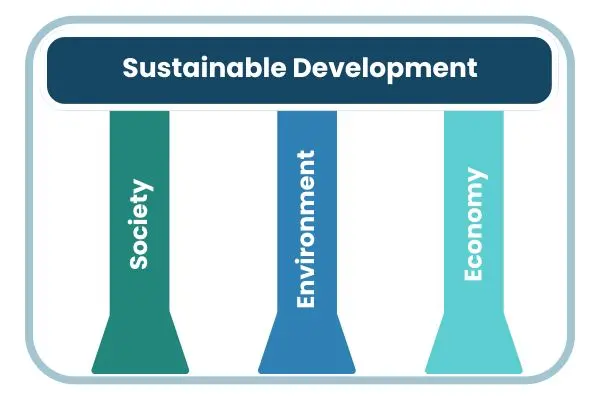
Collectively, sustainability is commonly referred to as meeting the needs of the current generation, without compromising the ability of future generations to meet their own needs. To achieve this goal, the three-pillar model demonstrates sustainability as resting on the balance of three interconnected parts:
Environmental Sustainability:
Social Sustainability:
Economic Sustainability:
These pillars are deeply interdependent: without a healthy environment, societies and economies cannot thrive; without social and economic stability, environmental goals are harder to achieve.
Key Benefits of Environmental Sustainability

Achieving environmental sustainability can enable huge benefits to us all. Here’s an outline of those key benefits to note:
Healthier Ecosystems & Biodiversity: Species and habitats essential to ecological balance are protected. This supports key ecosystem services, such as clean water, soil fertility and pollination.
Climate Change Mitigation: A healthy environment sequesters more carbon dioxide, helping to mitigate global warming and in turn, limit the extent of climate change.
Human Health: Thriving nature supports cleaner air and water, which helps to reduce respiratory illnesses and waterborne diseases. Access to nature is also linked to improved mental health by numerous studies
Long-term Economic Resilience: Environmental disasters are costly to our economies. A stable environment reduces this risk, allowing economic growth. Plus, advancing environmental sustainability promotes green innovation, creating new industries and jobs in the ‘green economy’.
Challenges to Environmental Sustainability
Despite the benefits of environmental sustainability, there are significant challenges to achieving this goal:
Economic Pressures & Short-Term Interests: Economies currently rely upon unsustainable resource extraction and fossil fuels. Transition away from this setup is a long term investment, yet political & business cycles favour short term gains.
Consumption Patterns: Overconsumption is widespread in wealthier regions of the world, leading to excess use of resources and waste production. This is driven by a preference for convenience. History shows attempts to stem this approach are extremely challenging.
Social Inequities: Developing nations lack the resources for transition to sustainable practices in comparison to wealthier nations. Even within countries there can be wide disparity. Unfortunately, those communities with the greatest resources are often more capable of adapting to environmental challenges, leaving them less incentive to act.
Technological Constraints: Clean energy, sustainable agriculture, the circular economies, these all require large-scale investment and systemic change. Global economic conditions do not favour investment.
Behavioural Barriers: Shifting deeply ingrained habits and mindsets around consumption and waste can be slow process. Its also one prone to political manipulation.
Environmental Sustainability in Practice
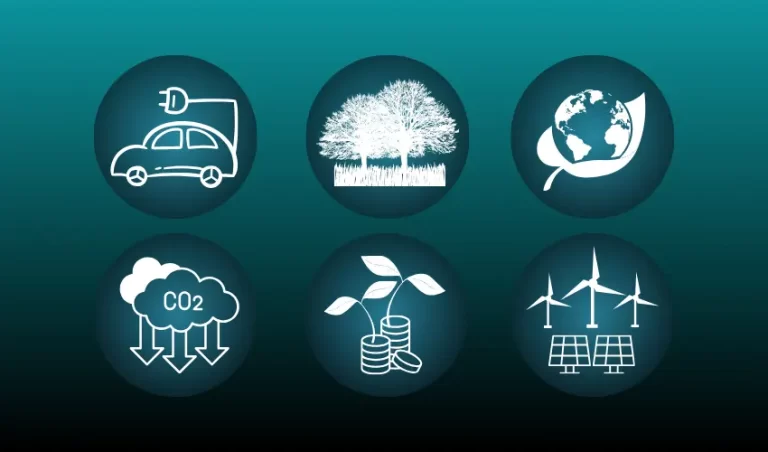
Achieving environmental sustainability requires a collective effort from individuals, businesses, communities, and governments. The following approaches outline how it can be practiced across multiple domains:
1. Energy: Transition to Renewable Sources
Why it matters: Fossil fuels are the largest contributors to greenhouse gas emissions. Shifting to renewable energy reduces air pollution and these greenhouse gases, slowing climate change.
Practical actions:
2. Sustainable Food & Agriculture
Why it matters: Food systems are a major driver of deforestation, water use, and soil degradation. Importantly, this reduces the natural environment’s ability to store carbon from the atmosphere.
Practical actions:
3. Waste Reduction & the Circular Economy
Why it matters: Linear models of “take, make, dispose” generate massive waste and pollution. This is turn poses risks to human health, heightens future economic vulnerability and contributes to excessive energy consumption.
Practical actions:
4. Urban Planning & Green Infrastructure
Why it matters: Urban areas concentrate population and resource use, making them key to sustainable solutions. With the right planning, these areas can become hubs for biodiversity and efficiency. Without effective planning. they can be locked into damaging environmental practice that risks our physical and mental wellbeing.
Practical actions:
5. Ecosystem Protection & Restoration
Why it matters: Healthy ecosystems provide essential services, including clean air, water, and climate regulation, yet many are under threat.
Practical actions:
6. Policy & Governance
Why it matters: Effective policy can set the direction for large-scale change and ensure accountability across society.
Practical actions:
7. Education & Public Awareness
Why it matters: An informed public is more likely to support and engage with sustainable practices. Without being informed of the long-term benefits of such practice, the likelihood that short-term unsustainable actions take place.
Practical actions:
Environmental Sustainability: Essential to Our Future

Environmental sustainability is a foundational pillar of a truly sustainable future. When combined with social and economic sustainability, it supports a resilient, equitable, and thriving society.
While the path forward presents challenges, the benefits, for our health, our economies, and the planet itself, are profound and enduring.
To support you further, check out the following extra resources here at Greener Insights:
Social Sustainability: Benefits & Challenges In Focus
Economic Sustainability: Benefits & Challenges Explained
How to Build a Sustainable Mindset That Lasts
Finally, want more practical ideas and sustainability tips?
Check in here at Greener Insights for regular updates and follow us on our social media channels: