Taking Politics Out of Net Zero
Net zero is far too often treated as a political football. Booted back and forth in a contest that offers little benefit or progress. Every few months the debate resurfaces, often pitched in culture-war language, either as some sort of crusade, or a looming tax burden. Strip away the noise and in actual fact it is more mundane, and more important: a practical target rooted in science and economics, not ideology.
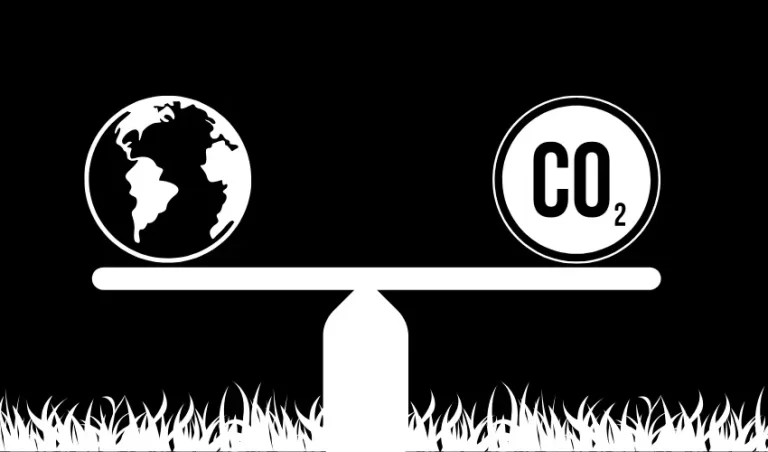
At its simplest, net zero means balancing the greenhouse gases we put into the atmosphere with those we take out. It’s a measure, not a manifesto. The science that sits behind it is blunt, and clear. Reaching net zero will limit the amount of change in our climate. The longer we take, the worse the impacts will be. But the way we get there is a matter of practical choices. When politics turns those choices into a tribal fight, the real priorities get lost.
Net Zero Priorities We Can Agree On
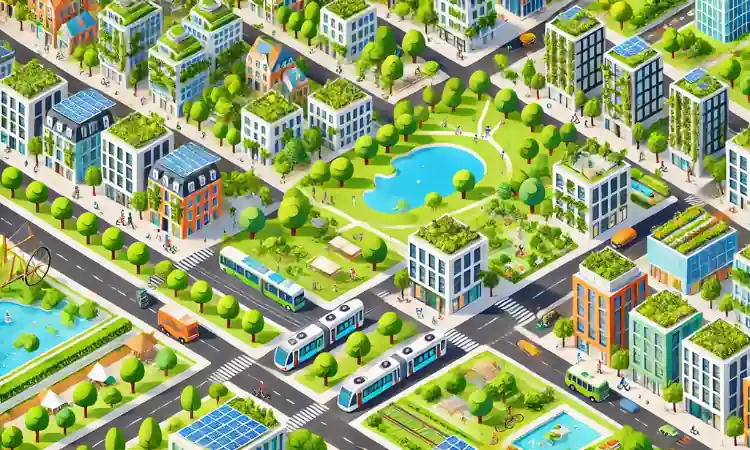
Aside from the obvious aim to maintain a stable climate, the priorities and opportunities of net zero don’t seem ones we’d want to argue over:
Progress Is Taking Place
On the ground, progress is happening without fanfare. Renewables infrastructure is advancing. Uptake of Electric vehicles has steadily risen. Green jobs in waste management, efficiency and renewables are growing. Businesses are investing in efficiency, trimming costs and emissions. Homeowners continue to invest in insulation and PV. The list goes on.
None of these trends have “vote for me” written on them, they’re simply common sense actions due to the benefits they provide. Sure there are government initiatives supporting some of these changes, but market forces are the key driver at this point, and will continue to be.

Removing The Politics, Focus on Practicality
Yet the political back-and-forth is hindering pace. Investors hesitate when policy looks shaky. Manufacturers delay decisions. Households wonder if it’s worth upgrading their boiler when the rules might change again. Inconsistent signals cost more than the technologies themselves. Delay isn’t neutral, it’s expensive.
If we treated net zero like the true long-term benefit it is, the debate would look different. Politicians would be arguing about the best approach to investment and upgrades, not the concept itself. Engineers, planners, and households would get on with the delivery. Arguments would shift from “whether” to “how fast” and “how fair”.
Practicality is the outlook we need. Net zero isn’t about left or right. It’s about whether we take ourselves seriously enough to plan effectively for the future, instead of turning it into another round of near-term point-scoring.
Want more sustainability insights and practical guidance?
Check in here at Greener Insights for regular updates and follow us on our social media channels:
For updates direct to your inbox, you can also sign-up to our weekly newsletter: