Why We Need to Spend More Time Outdoors
Each morning I step outside with a green tea, nothing grand, just ten quiet minutes in the garden. But in that short time I noticed the dew still clinging to the grass, the soft chatter of birds, and the way the air feels lighter than it had the evening before.
I come back inside calmer, clearer, energised.
Moments like this remind me of the powerful impact nature can have – a benefit that we can all access and feel. Sometimes it can be a big adventure out into the natural world, or day-to-day, as simple as stepping outdoors and letting ourselves notice what’s already there.
Nature as a Remedy
Modern life doesn’t make it easy to spend time outside. We rush between screens, schedules, and indoor spaces. But our minds and bodies haven’t forgotten where we came from – they still crave the grounding presence of natural environments.
Science keeps backing up what many of us feel intuitively. Numerous studies have shown that time in nature can:
To me, it feels as though we can simply breathe a little easier outdoors, and better appreciate what truly matters in life.
Time Outdoors – More Than Personal Benefit
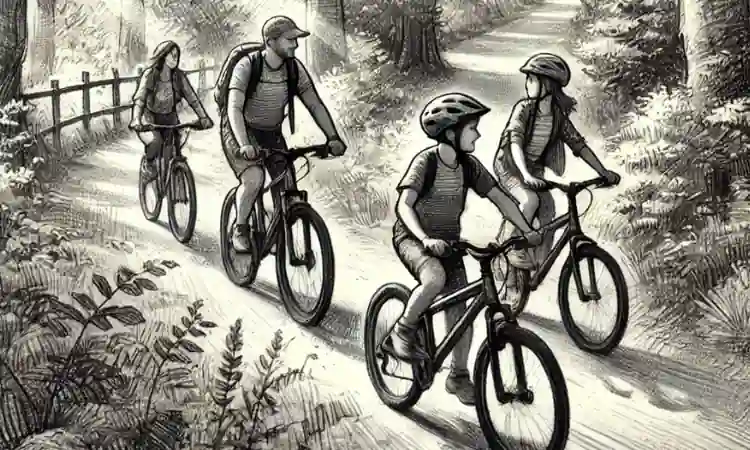
There’s also something deeper at play. The more we immerse ourselves in the living world, the more connected we feel to it. Through this connection we begin to value it in ways that ripple far beyond our own wellbeing.
Community & social value: Green spaces bring people together. Parks, allotments, and nature reserves are places where communities can build trust and belonging.
Education and empathy: Children who spend regular time outdoors develop higher levels of creativity, problem-solving skills, and empathy.
Supporting sustainability: On a broader scale, spending time in nature helps us appreciate its vital role in sustaining life. Forests absorb carbon, wetlands prevent flooding, bees pollinate our food crops. The environment we walk through every day is quietly working for us. By recognising this value first-hand, we’re more likely to support policies and practices that protect it.
In other words, when we spend time outdoors, we’re not just improving our own health. We’re nurturing a mindset that values connection, community, and stewardship – the foundations of a sustainable future.
Simple Ways to Reconnect With Nature
Getting more nature into daily life doesn’t have to mean hiking mountains or camping in remote places. It can be far more accessible and simple to weave into our ordinary routines:
These micro-moments matter. Over time, they add up to a richer sense of connection and calm.
A Simple Suggestion
Next time you step outside, give yourself permission to really notice – the sounds, the textures, the life moving around you. Treat it like an experiment: how do you feel afterwards?
Nature is always there, waiting for us to return. By letting it back into our daily lives, we not only support our own wellbeing, we begin to nurture the bond that keeps both us and the planet thriving.
Thanks for reading! If this resonated with you, feel free to share or sign-up to our newsletter below. I’d love to hear about any inspiring urban green spaces you’ve come across, big or small, ones that have shown you how beneficial they can be!
Want more daily insights, tips & reflections on sustainability?
Follow us on our social media channels:
Lastly, if you enjoyed this post, then we recommend you also check out the following:
Preparing For Climate Change: Why Our Cities Must Let Nature In